Skip to content

TECHNOLOGIES

Ideas. Engineered.

Qavironel Technologies

Qavironel Technologies

000

Vadodara, India

Services — Five routes

Five ways we engineer ideas.

From a first website to an AI workflow, every engagement follows the same route: a clear scope, direct access to the people building it, and full ownership at the end.

01

Web Design & Development

Marketing sites, storefronts and business platforms, built from scratch.

Ztees storefront homepage showing a limited-edition drop

Example: Ztees

Responsive websites that make your offer clear, carry the character of your brand and help visitors take the next step.

Who it’s for

Founders and established businesses that need a distinctive presence or a more useful way to sell online.

What you get

  • Brand-aligned design and page structure
  • Responsive frontend for mobile and desktop
  • Product catalogues and straightforward checkout flows
  • Image, font and Core Web Vitals work
  • Deployment, SSL and custom domain setup
  • A lightweight CMS or static setup that is easy to update

Typical stack

  • React
  • Next.js
  • Astro
  • TypeScript
  • Tailwind CSS

02

Product & Software Engineering

Web applications, dashboards, MVPs and internal tools.

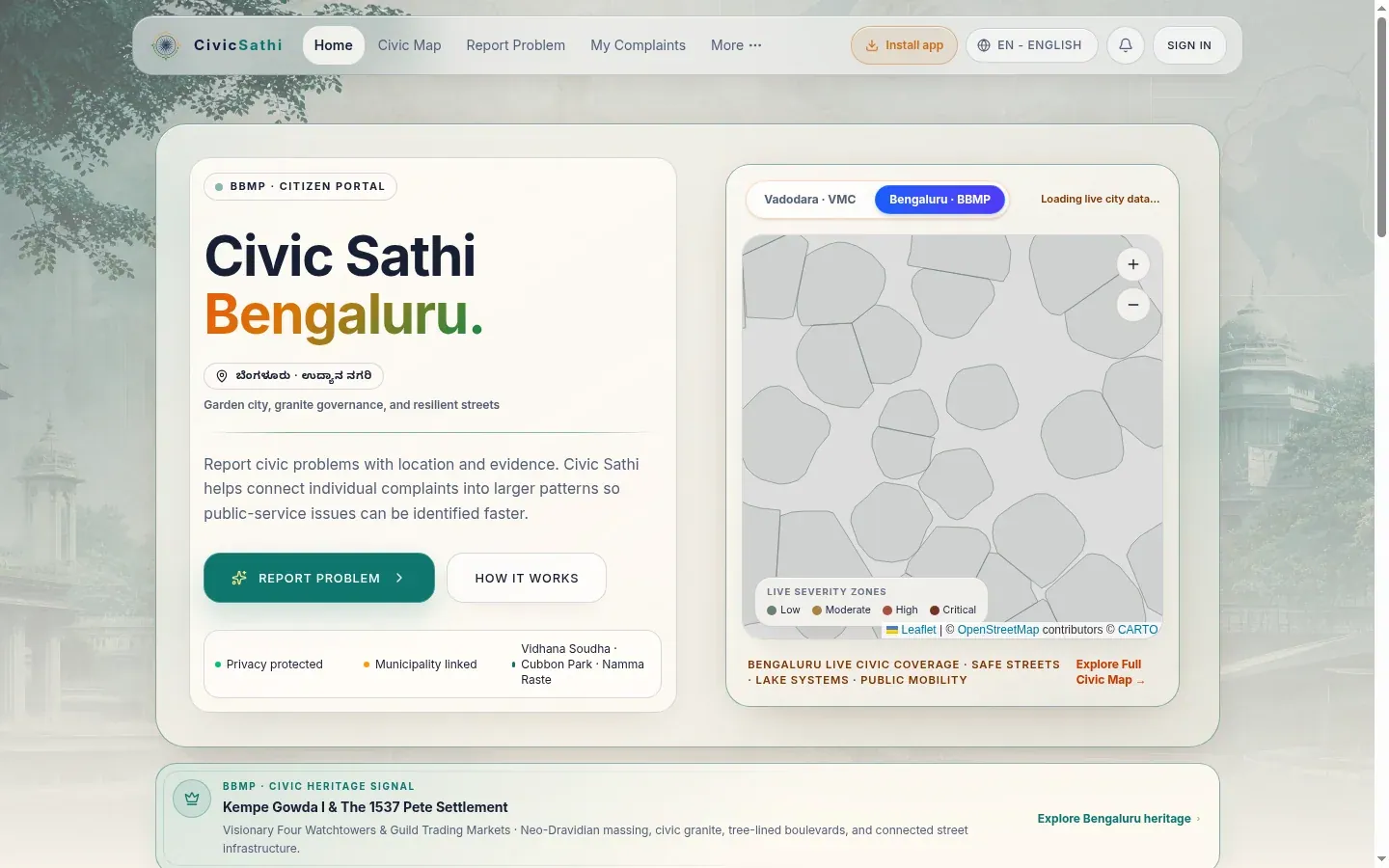
Civic Sathi public portal homepage

Example: Civic Sathi

We take products from early definition through design, engineering and release, with clear workflows and dependable foundations.

Who it’s for

Startups shaping a first product, and organisations that need software for a specific operational workflow.

What you get

  • MVP planning, scope and delivery milestones
  • Role-based applications and admin dashboards
  • APIs, data models and sign-in flows
  • Forms, maps, status updates and reporting
  • Cloud deployment on Vercel, Supabase or Node.js

Typical stack

  • React
  • Node.js
  • TypeScript
  • PostgreSQL
  • Supabase
  • FastAPI

03

Applied AI & Automation

Practical LLM integrations, automated workflows and local-first AI tools.

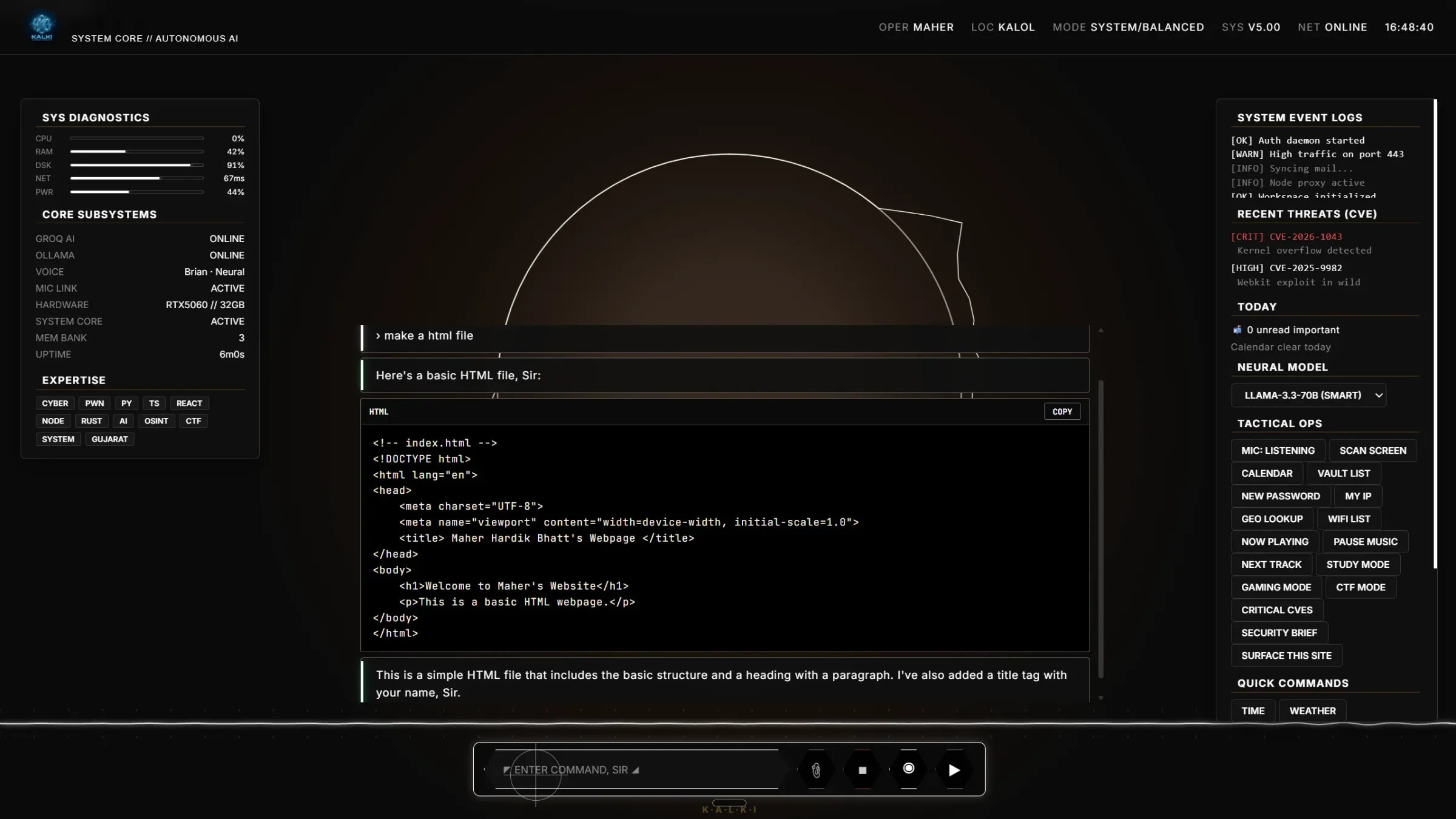
KALKI desktop assistant on standby, showing its HUD

Example: KALKI 2.0

AI is useful when it solves a real task. We help teams scope AI features, automate repetitive work and make deliberate choices about data and oversight.

Who it’s for

Businesses reducing repetitive work, founders adding AI features, and teams weighing local or private model options.

What you get

  • AI features and automation scoped to a real task
  • Prototypes using local models where they fit
  • Voice input, transcription and audio interfaces
  • Document summaries and information extraction
  • Guarded boundaries for credentials and system actions

Typical stack

  • Python
  • Ollama
  • OpenAI API
  • Gemini API
  • Groq
  • VOSK

04

Digital Product Design & Systems

Interfaces, design systems and user journeys that feel easier to use.

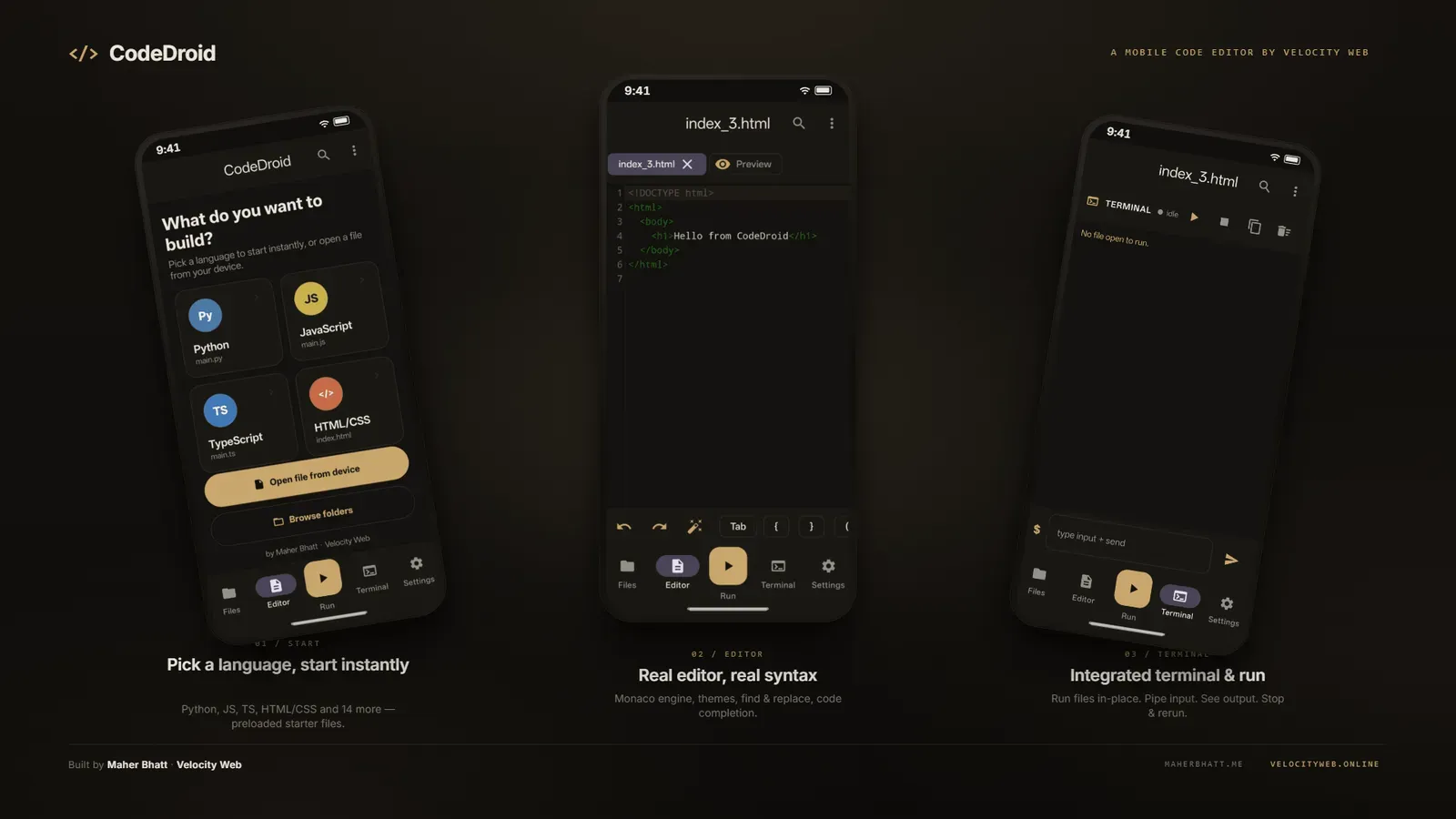
CodeDroid running on an Android phone and tablet

Example: CodeDroid

We turn complex workflows into clearer journeys, coherent interface systems and software that is easier to understand.

Who it’s for

Teams whose software feels clunky, dated or confusing, and early products that need a professional interface before launch.

What you get

  • User journeys, wireframes and interface design
  • Reusable components and design foundations
  • Responsive, accessible interaction states
  • Prototypes for feedback and stakeholder review
  • Handover specifications for developers

Typical stack

  • Figma
  • Design tokens
  • Component systems
  • Prototyping

05

Technical Optimisation & SEO Foundations

Faster pages, cleaner structure and better discoverability.

CodeDroid running on an Android phone and tablet

Example: CodeDroid

We help existing sites become faster, easier to navigate and technically clearer for search engines and assistive technology.

Who it’s for

Organisations whose site needs technical cleanup, accessibility improvements or stronger search foundations.

What you get

  • Core Web Vitals assessment and targeted fixes
  • Page metadata, canonical URLs and social previews
  • Structured data and sitemap configuration
  • Image, font and asset optimisation
  • Accessibility fixes: keyboard, contrast and ARIA

Typical stack

  • Lighthouse
  • Schema.org
  • Web Vitals
  • Semantic HTML

Fixed scope, Direct access, Full ownership, 30-day warranty

Engagement models

Pick the route that fits the work.

What we promise

01

Fixed-scope proposals

We agree on deliverables before work starts, so the roadmap is clear and there are no surprise hourly charges.

02

Milestone payments

A commitment retainer (typically 40–50%) secures your sprint slot. The rest is invoiced at milestones once each deliverable is demonstrated on staging, with the final invoice before launch and handover.

03

Direct senior access

No account managers. You work with Maher Bhatt and the senior engineers from the first call to launch.

04

30-day warranty

Every launch includes 30 days of monitoring, bug fixes and DNS support, plus full ownership of the repository.

How a project runs

  1. 01

    Discover & Align

    We clarify the problem, the people it is for and what a useful outcome looks like.

  2. 02

    Define & Architect

    We agree on scope, priorities, technical approach and visual direction before building.

  3. 03

    Design & Build

    We share work in progress, gather feedback and refine responsive, accessible experiences.

  4. 04

    Launch & Support

    We prepare the release, hand over code and assets, and agree on follow-up support.

Questions, answered.

Who owns the code and design files when the project is finished?

You do, from day one. At handover we transfer full ownership of the repositories, database schemas, deployment configuration and design files. There are no licensing fees and no proprietary lock-in.

Will I work with senior engineers or be passed to an account manager?

You work directly with the founders, Maher Bhatt and Anurag Pandey. The studio was set up to avoid middlemen and junior delegation, so the people you speak to are the people building your project.

How do you deliver in weeks rather than months?

Small, focused sprints of one to two weeks, a modern modular stack, and regular async updates with live staging links. Fewer review layers means decisions happen faster.

How do you approach security?

Security is part of the architecture from the start: strict Content Security Policies, validated inputs, OWASP Top 10 hardening and careful handling of secrets. Our team has a background in competitive CTFs and bug bounties, and we sign a mutual NDA before technical discovery.

How do your AI systems protect business data?

We match the setup to how sensitive your data is. For confidential work we can run local models (for example through Ollama), so data never leaves your hardware. Where cloud models make sense, we add guarded routing and redaction, and your data is never used to train a model.

How do you work with clients in other time zones?

We work remotely, with regular async updates (video walkthroughs, staging links and commits) and milestone calls scheduled in your working hours. You also get a direct channel on WhatsApp or Slack.

How are payments structured?

Every project starts with a fixed-scope proposal and a non-refundable commitment retainer, typically 40–50%, due before sprint scheduling. The balance is invoiced at milestones as deliverables are demonstrated on staging, with the final invoice due before production launch and repository handover. You see the full roadmap before development starts.

What support do you offer after launch?

Every build includes a 30-day warranty covering monitoring, bug fixes, DNS and CDN setup, and a training session for your team. Monthly retainers are available for ongoing work.

Start

Have a loose idea?
Let’s engineer it.